Understanding Measured Building Surveys in Surrey
In an era where precision is paramount in architectural and construction projects, Measured Building Survey Surrey stands out as a fundamental service. These surveys not only facilitate accurate design work but also offer invaluable insights into a building's structural integrity, existing conditions, and potential renovation needs. For professionals in the field, understanding the nuances of measured building surveys is essential for ensuring project success and compliance with regulations.
What is a Measured Building Survey?
A measured building survey is a meticulous process that involves taking exact measurements of a physical space to create a comprehensive record of its existing conditions. This survey provides detailed 2D and 3D representations, including floor plans, elevations, and sections. The objective is to compile an accurate portrayal that can guide architects, engineers, and project managers in their decision-making processes.
Importance of Accuracy in Surveys
Accuracy in measured building surveys is crucial. Any discrepancies in measurements can lead to significant issues during construction or renovation phases, including design flaws and budget overruns. Contractors rely heavily on these surveys to make informed decisions, ensuring that projects are executed seamlessly and within the predetermined timelines.
Key Technologies Used in Measured Surveys
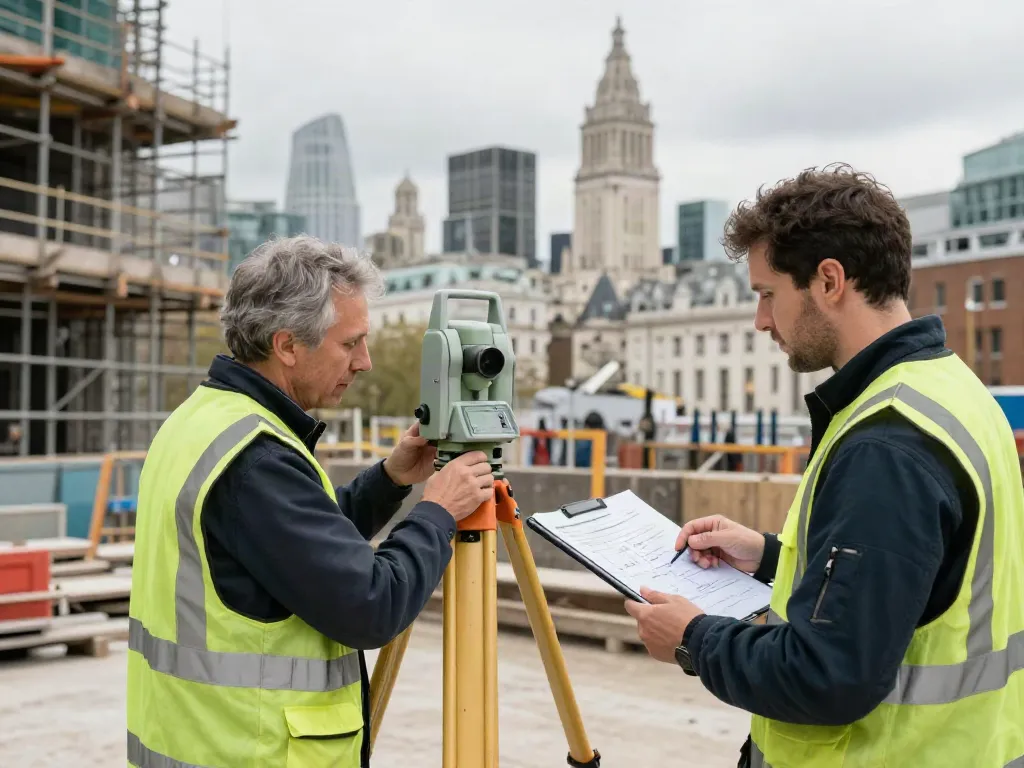
Modern measured building surveys employ advanced technology to enhance precision and efficiency. Tools such as laser scanners and total stations are commonly used. Laser scanning technology captures millions of data points, creating detailed 3D point clouds that represent the surveyed space accurately. Similarly, a total station combines angle and distance measurements to produce reliable 2D or 3D models, significantly mitigating human error.
Benefits of Engaging a Professional Surveyor
Hiring a professional surveyor offers a myriad of benefits that extend beyond simple measurement tasks. Their expertise can be the deciding factor in the success of your project.
Expert Analysis and Recommendations
Professional surveyors bring a wealth of knowledge and experience to the table. They can analyse the data gathered during the survey, providing insightful recommendations that can aid in design modifications or highlight potential structural concerns. This level of analysis is indispensable for high-stakes projects where the cost of errors can escalate rapidly.
Cost-Efficiency and Time Savings
While it may seem financially prudent to undertake surveying tasks in-house, hiring professionals often proves more cost-effective in the long run. Their expertise enables quicker turnaround times and fewer errors, ultimately saving both time and money. Additionally, they are adept at navigating regulatory requirements, ensuring that your project remains compliant.
Risk Mitigation in Construction Projects
Engaging with experienced surveyors significantly reduces risks associated with construction projects. They help identify potential issues before they escalate into costly problems, such as structural weaknesses or zoning violations. This proactive approach to risk management is particularly valuable in complex urban environments, where unforeseen challenges frequently arise.
Common Applications for Measured Building Surveys
Measured building surveys have a wide range of applications across various industries, making them a versatile tool for professionals.
Architectural Design and Renovations
Architects and designers utilize measured surveys to support their design proposals. These surveys provide a factual basis for renovations and extensions, ensuring that any alterations are feasible and compliant with local building codes.
Property Valuation and Asset Management
For property investors and managers, accurate measurements are essential for determining the value of a property. Measured surveys provide the necessary documentation to facilitate assessments, helping stakeholders to make informed decisions regarding acquisitions, sales, or renovations.
Regulatory Compliance and Planning Applications
In many cases, regulatory bodies require detailed drawings as part of the planning application process. Measured building surveys ensure that all necessary documents are prepared accurately, thereby increasing the likelihood of approval and reducing delays.
Challenges in Conducting Measured Building Surveys
While measured building surveys are invaluable, conducting them is not without its challenges. Professionals must be prepared to navigate various obstacles that can impact the survey's outcomes.
Dealing with Complex Urban Environments
Urban landscapes often present unique challenges for surveyors. Buildings may be closely spaced, which can complicate measurement tasks and data collection. Additionally, navigating through busy streets and crowded areas can hinder access to certain locations, potentially leading to incomplete surveys.
Weather Conditions Impacting Accuracy
Weather conditions can significantly affect the accuracy of surveys. Rain, fog, and excessive wind can obscure visibility and hinder the functionality of certain surveying equipment. Surveyors must account for these variables and, when necessary, schedule surveys during optimal weather conditions to ensure data reliability.
Interpreting Survey Data Effectively
The sheer volume of data collected during a measured survey can be overwhelming. Surveyors must possess the skills to interpret this data accurately and translate it into actionable insights. Misinterpretation can lead to flawed designs or costly construction mistakes, underscoring the importance of expertise in this area.
The Future of Measured Building Surveys in 2026
As technology continues to evolve, so too does the landscape of measured building surveys. The future promises exciting developments that will transform how these surveys are conducted and utilized.
Emerging Technologies and Innovations
In the coming years, we can expect to see advancements in surveying technologies, including the integration of artificial intelligence (AI) and augmented reality (AR). These technologies could enhance the accuracy of measurements and facilitate more immersive planning experiences for architects and clients alike.
Trends in Building Regulations and Compliance
With increasing focus on sustainability and environmental considerations, building regulations are likely to evolve. Measured building surveys will play a crucial role in ensuring compliance with these new standards, helping to drive innovation in design and construction practices.
Predicted Changes in Market Demand
The demand for measured building surveys is expected to rise as more industries recognize their importance in project planning and execution. With urbanization and population growth, particularly in London and surrounding areas, the need for precise and comprehensive surveying services will only become more pressing.