Understanding Aluminium Fabrication
Aluminium fabrication is a crucial process in various industries, especially in construction and manufacturing. It involves transforming raw aluminium materials into functional products through cutting, shaping, and assembling. This article delves into the intricacies of aluminium fabrication, exploring its techniques, benefits, and applications. For homeowners and contractors seeking reliable services in aluminium fabrication, understanding the nuances can aid in making informed decisions. When exploring options, Aluminium fabrication serves as a significant point of interest for many projects.
What is Aluminium Fabrication?
Aluminium fabrication encompasses a series of processes that modify aluminium into specific shapes and structures tailored to particular requirements. This can range from architectural elements like doors and windows to industrial components and custom designs tailored for unique projects. The fabrication process usually includes tasks such as cutting, bending, machining, and welding, ensuring the final products meet desired specifications and quality standards.
Common Techniques in Aluminium Fabrication
- Cutting: This is often the first step in the aluminium fabrication process. It involves the use of saws, lasers, or water jets to achieve the desired shapes of aluminium sheets or extrusions.
- Bending: Bending techniques such as press braking or roll bending allow the aluminium to take on specific angles and curves, creating components like frames or enclosures.
- Machining: Precision machining processes are used to create intricate designs and features. This can include drilling holes, creating threads, or milling surfaces for a perfect fit.
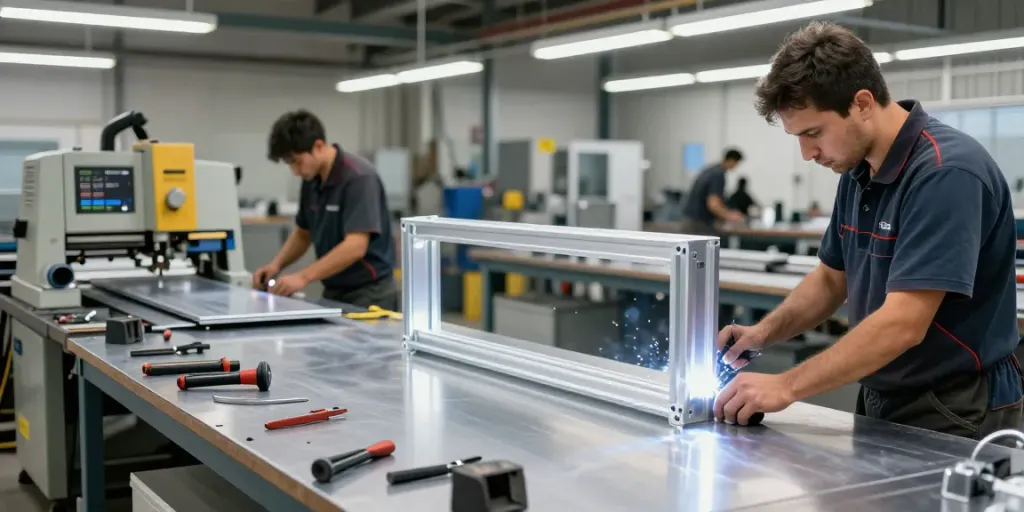
- Welding: For joining aluminium parts, various welding techniques are employed, including MIG and TIG welding, which ensure strong, durable connections.
Benefits of In-House Aluminium Fabrication
One of the key advantages of in-house aluminium fabrication is quality control. By managing the entire process—from design to installation—companies can ensure that every component meets stringent quality standards. In-house fabrication also enhances communication and coordination, reducing the time and potential errors that can occur when multiple subcontractors are involved. Moreover, this approach often leads to faster turnaround times and more flexible design changes, ultimately resulting in higher customer satisfaction.
Choosing the Right Aluminium Fabricator
When it comes to selecting an aluminium fabricator, it's essential to conduct thorough research. This ensures that you partner with a reputable company that can deliver quality results tailored to your specific needs. A good start is to consider their experience in the industry and their portfolio of past projects. Additionally, understanding their approach to customer service can help you assess how they will handle your project from start to finish.
Key Questions to Ask Potential Fabricators
- What types of projects have you previously completed?
- Do you handle the entire process in-house, including design, fabrication, and installation?
- Can you provide references from previous clients?
- What is your typical turnaround time for a project of this scope?
Understanding Fabrication Costs
Fabrication costs can vary widely based on several factors, including the complexity of the project, materials used, and the fabrication techniques required. It's crucial to obtain detailed quotes that break down costs for materials, labor, and any additional services. This transparency enables better budget management and helps identify potential areas for cost savings.
Evaluating Vendor Credibility and Experience
To evaluate the credibility and experience of an aluminium fabricator, look for industry certifications and memberships in professional organizations. Familiarity with the latest technology and fabrication techniques is also an indicator of a company's commitment to quality and innovation. Furthermore, reading client reviews and testimonials can provide insight into their reliability and customer service.
Best Practices in Aluminium Fabrication
Implementing best practices in aluminium fabrication is vital for achieving high-quality results. Focusing on quality control, efficient production methods, and adherence to safety standards not only enhances product durability but also ensures client satisfaction.
Ensuring Quality Control in Fabrication Processes
Quality control should be a cornerstone of any aluminium fabrication operation. This involves thorough inspections at each stage of production, ensuring that all processes align with specifications and quality standards. Employing advanced technologies like automated measuring tools or software can further enhance the accuracy of fabrication, leading to superior end products.
Innovative Techniques for Efficient Production
Adopting innovative production techniques can significantly improve efficiency in aluminium fabrication. Technologies such as computer-aided design (CAD) and computer numerical control (CNC) machining enable high precision and rapid prototyping, allowing custom designs to be produced faster and more accurately. Additionally, automating certain processes can reduce labor costs and minimize errors.
Safety Standards in Aluminium Fabrication
Safety is paramount in any fabrication environment. Implementing comprehensive safety protocols, regular training for personnel, and ensuring that all equipment meets industry standards can reduce the risk of accidents and injuries. Adhering to safety regulations not only protects employees but also enhances the overall productivity of the fabrication process.
Real-World Applications of Aluminium Fabrication
Aluminium fabrication plays a crucial role in various industries, with applications ranging from construction to consumer products. Understanding these applications can help clients appreciate the versatility and functionality of aluminium products.
Aluminium Fabrication in Construction Industry
In the construction industry, aluminium is widely used for its strength-to-weight ratio and resistance to corrosion. From structural components like beams and columns to architectural elements such as facades, windows, and railings, aluminium offers a modern and durable solution. Moreover, its lightweight nature simplifies transport and installation, making it a favorite among contractors.
Customized Aluminium Solutions for Home Improvement
Homeowners often seek customized aluminium solutions to enhance the aesthetic appeal and functionality of their spaces. Aluminium doors, windows, and railings can be tailored to fit specific designs, ensuring that each installation complements the overall architecture of the home. Additionally, aluminium kitchens and pergolas provide durable and stylish options for outdoor living spaces.
Case Studies of Successful Aluminium Fabrication Projects
Several successful aluminium fabrication projects have showcased the material's capabilities. For instance, a recent project involved the fabrication of custom aluminium frames for a high-rise building, which not only contributed to the structural integrity but also enhanced the building’s aesthetic appeal. Another notable project included the installation of aluminium canopies and signage for a commercial complex, providing both functional and marketing benefits.
Future Trends in Aluminium Fabrication (2026 and Beyond)
As the industry evolves, several trends are expected to shape the future of aluminium fabrication, focusing on innovation, sustainability, and technological advancements.
Emerging Technologies in Fabrication Processes
New technologies are set to revolutionize aluminium fabrication, including advancements in 3D printing and additive manufacturing. These methodologies can streamline production processes and allow for complex designs that were previously challenging to achieve through traditional methods. Additionally, improvements in robotic automation are expected to enhance precision and reduce labor costs.
Sustainability in Aluminium Production
With increasing awareness of environmental issues, sustainability is becoming a key consideration in aluminium fabrication. Companies are pursuing eco-friendly practices, such as recycling aluminium, reducing waste during production, and using sustainable energy sources. These initiatives not only help the environment but also appeal to eco-conscious consumers.
Market Predictions for Aluminium Fabrication Industry
The aluminium fabrication market is projected to grow significantly in the coming years, driven by demand in the construction, automotive, and aerospace industries. Increased construction activities in emerging economies, coupled with advancements in technology, will likely contribute to this growth, providing opportunities for fabricators to innovate and expand their services.
What is the average cost of aluminium fabrication?
The average cost of aluminium fabrication can vary greatly depending on the complexity of the project, materials used, and fabrication techniques. Generally, costs can range from a few hundred to several thousand dollars, depending on the specifications and requirements.
How long does the aluminium fabrication process take?
The duration of the aluminium fabrication process is influenced by the nature of the project and the workload of the fabricator. Typically, simple projects can be completed within a few weeks, while more complex tasks may take several months.
What materials are commonly used in aluminium fabrication?
Commonly used materials in aluminium fabrication include aluminium sheets, extrusions, and alloyed forms. The choice of material often depends on the required strength, weight, and corrosion resistance.
Can I customize my aluminium fabrication project?
Yes, aluminium fabrication is highly customizable. Clients can specify dimensions, finishes, and design features to ensure that the final product meets their unique needs and preferences.
What industries benefit most from aluminium fabrication?
Several industries benefit from aluminium fabrication, including construction, automotive, aerospace, and consumer products. The versatility of aluminium makes it suitable for a wide range of applications, from structural components to decorative features.